
Inhaltsverzeichnis
Snus keeps coming up in football even though tobacco snus cannot be sold in the UK. What players are actually using is almost always the tobacco-free nicotine pouch, and its use inside the professional game has become common enough to prompt formal research. The short version: players reach for it to manage stress and routine, it is not banned by sport's anti-doping rules, and there is no solid evidence it improves performance.
If the snus and pouch distinction is new to you, start with what is snus. This page focuses on why the habit is so visible in football and what the evidence says.
Why do footballers use snus?
The reasons players give tend to be the same ones anyone gives:
- Feeling calmer before a match or settling nerves
- A perceived lift in focus or alertness
- Filling downtime on long travel days
- A dressing-room routine that spreads socially through a squad
A pouch is discreet, produces no smoke and can be used where smoking is banned, which suits the environment players work in, and slim nicotine pouches are the least visible format of the lot. None of that is unique to sport, but the closeness of a squad means a habit can spread quickly once a few players take it up.
Which footballers have publicly discussed snus?
A few players have spoken about it on the record, which is a different thing from the rumours that circulate online. Jamie Vardy wrote in his 2016 autobiography that he had used snus and that it helped him relax, and by June 2018 he had said publicly that he had stopped, as reported at the time. More recently, the former striker Carlton Cole described a rough first experience with a pouch while on England duty, without naming who gave it to him.
It is worth being careful with the rest. Search suggestions throw up other well-known names, but where a player has not actually said they use it, that is unconfirmed rather than fact, and this page does not repeat it as if it were.
What the PFA study found about snus in football
The clearest UK data comes from research commissioned by the Professional Footballers' Association and carried out by Loughborough University, published in May 2024. It surveyed 628 male and 51 female professional players. Around 18% of the male respondents and 22% of the female respondents reported currently using snus or nicotine pouches, and most were using pouches rather than tobacco snus, even though players commonly call them snus. You can read the BBC Sport summary of the study for the detail.
The numbers are only part of it. The research also pointed to indicators of dependence and to stress and coping as reasons players gave, and it found no established performance benefit. A product being widespread in a dressing room is not the same as it being harmless or wanted.
Is snus banned in football?
No. Nicotine is not on the World Anti-Doping Agency's prohibited list, so a player is not breaking anti-doping rules by using snus or a nicotine pouch. Nicotine has, however, sat on WADA's monitoring programme, which tracks substances to see how widely they are used in sport without banning them. So the honest position is that it is permitted but watched, not outlawed. Individual clubs or competitions can set their own internal guidance, which is a separate matter from the anti-doping code.
Does snus improve football performance?
There is no good evidence that it does. Players may report feeling more focused or calmer, but perceived effects are not the same as a measured improvement in performance, and the research does not support a performance benefit. What is documented is the downside: nicotine is addictive, it raises heart rate and blood pressure in the short term, and dependence is the main reason users struggle to stop. Treating a pouch as a performance aid gets the evidence backwards.
The health risk behind snus in football
The reason the topic draws attention from bodies like ASH is not the football angle itself but the wider pattern it points to: young, fit adults becoming dependent on nicotine. Nicotine pouches are less harmful than smoking because there is no combustion, but less harmful is not the same as safe, and the addiction risk is real. That is the part of the football story that tends to get lost behind the headlines. We cover the wider picture in snus vs nicotine pouches.
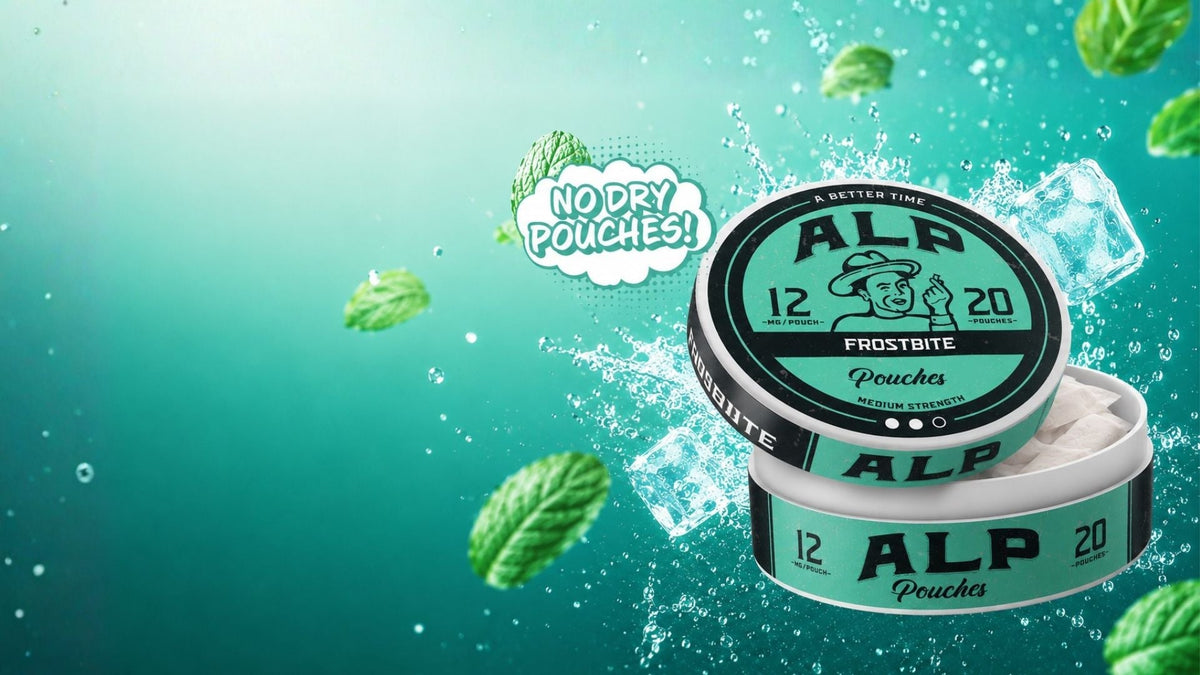
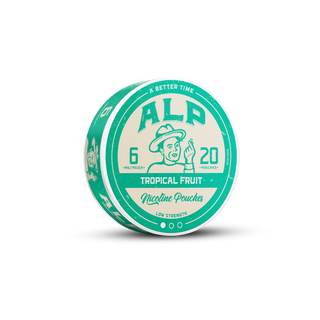
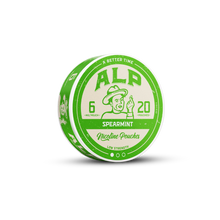
ALP makes tobacco-free nicotine pouches for adults who already use nicotine. You can see the full range of ALP nicotine pouches, including mint nicotine pouches and the lower-strength 6mg snus options.
This product contains nicotine which is a highly addictive substance.
Common questions about snus in football
Why do footballers use snus?
Players describe using nicotine to feel calmer before matches, to focus, to pass time on travel days and as part of a dressing-room routine that spreads socially. What they use is usually a tobacco-free nicotine pouch, since tobacco snus cannot be sold in the UK.
Is snus banned in football?
No. Nicotine is not on the World Anti-Doping Agency's prohibited list, so using snus or a pouch does not breach anti-doping rules. Nicotine has been on WADA's monitoring programme, meaning it is tracked but not banned. Clubs may set their own internal guidance.
Does snus improve football performance?
There is no reliable evidence that it does. Players may feel more focused, but perceived effects are not a measured performance gain. What is documented is the risk of dependence and short-term rises in heart rate and blood pressure.
How common is snus in professional football?
Research commissioned by the PFA and run by Loughborough University, published in May 2024, surveyed 628 male and 51 female players. Around 18% of male and 22% of female respondents reported currently using snus or nicotine pouches, mostly pouches. The study also pointed to indicators of dependence and found no established performance benefit.