Inhaltsverzeichnis
Most people in Britain have heard the word snus without ever seeing a tin of it in a shop. There is a reason for that. Real snus has been banned from sale here since 1992, yet it keeps coming up in football dressing rooms, on Reddit and in conversations about quitting vaping. So it is worth getting the basics right.
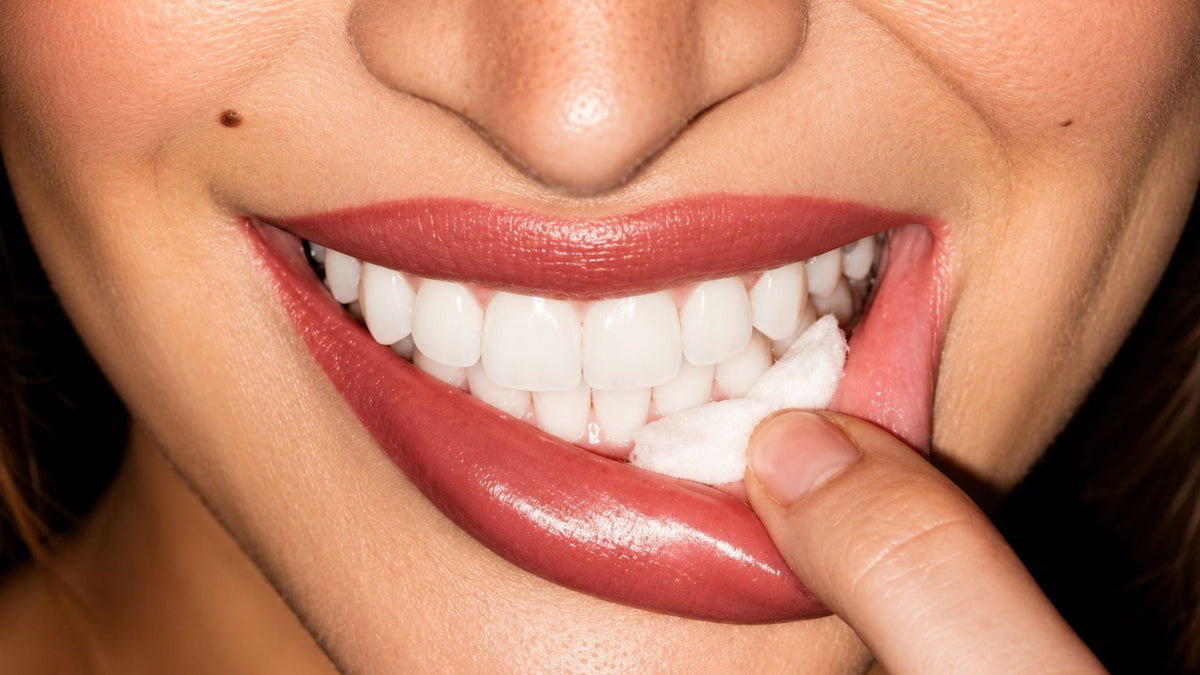
Snus is a moist, powdered tobacco product from Sweden. You tuck it under your upper lip, leave it there, and the nicotine is absorbed through the gum. There is no smoke and nothing to light. Modern portioned snus does not even need spitting, unlike the old loose kind. That last part is what made it spread beyond Sweden.
What is snus made of?
Traditional snus is ground tobacco mixed with water, salt and food-grade flavourings, then heat-treated using a process called pasteurisation. The result is a damp powder. It comes in two forms: loose snus, which you shape into a small ball yourself, and portion snus, which is pre-packed into little teabag-style sachets so it stays tidy under the lip.
The key word in all of that is tobacco. Snus contains real tobacco leaf, and that single fact decides almost everything else about it, including whether you are allowed to buy it.
The different types of snus
Snus is not one single thing, and knowing the formats helps when you are reading about it. Loose snus is the original: a damp powder you pinch into a small ball and tuck under your lip. It is fiddly and it stains, which is why most people moved on from it.
Portion snus does the same job in a tidy sachet. Original portions are moister and browner, and they release quickly, sometimes with a little drip. White portions are packed slightly drier, so they release more slowly and run less. On top of that you get smaller mini formats for discretion, and a spread of strengths from gentle to very strong.
Here is why that matters for a British reader. Every one of these is a tobacco product, so none of them can legally be sold in the UK. The format you will actually find on a UK website is the nicotine pouch, which borrows the same white-portion design without the tobacco. That is also where the phrase white nicotine pouches comes from, and it is worth knowing which brands actually sell here before you compare any two.
What is snus used for?
Snus delivers nicotine without combustion. Someone who smokes gets their nicotine along with tar and thousands of combustion by-products. Snus skips the burning step entirely, which is why it became so common in Sweden as an alternative to cigarettes. People reach for it to handle cravings, or to get nicotine somewhere smoking is banned. More recently, plenty use it to move away from vaping.
The effect is slower and steadier than a cigarette. You place the pouch, feel a mild tingle under the lip within a minute or two, and the nicotine releases gradually over the next half hour or so. There is no cloud and no smell, so nobody around you would notice.
A short history of snus in Sweden
Snus has been made in Sweden since the early 1800s, and the country has an unusual relationship with it. While the European Union banned the sale of snus across member states, Sweden negotiated an exemption when it joined in 1995. That is why snus is a normal supermarket product in Stockholm and a banned one almost everywhere else in Europe.
Sweden is often held up in tobacco research for having some of the lowest smoking rates in Europe, and snus is part of that story. It is not a health product, and nobody serious claims it is harmless. But the Swedish pattern is the reason snus keeps being discussed whenever people talk about moving away from cigarettes.
Why snus comes up so much in the UK
Given that you cannot buy it here, snus gets talked about in Britain a surprising amount. Part of that is sport. Snus and nicotine pouches have become a talking point in football, with players and pundits discussing their use openly, and that keeps the word in the headlines even though the tins are not on any UK shelf.
The bigger driver is people looking for something other than cigarettes or vapes. Smoking rates in the UK have fallen for years, vaping has come under closer scrutiny, and a smokeless product you can use without anyone noticing has an obvious pull. When British users go looking for snus, what they can legally buy is a nicotine pouch, which is why the two words get used as if they mean the same thing here.
Snus vs nicotine pouches: the key difference
Here is where most of the confusion in the UK comes from. Walk into a British shop and ask for snus, and what you will actually be handed is a nicotine pouch. They look almost identical. Both are small white sachets you park under your lip. The difference is what is inside.
| Snus | Nicotine pouches | |
|---|---|---|
| Contains tobacco | Yes | No |
| Legal to sell in the UK | No | Yes, 18+ |
| Main flavours | Earthy tobacco | Mint and fruit |
Snus contains tobacco. Nicotine pouches do not. A pouch uses plant fibre or cellulose as its base, plus nicotine, flavour and a little moisture, with no tobacco leaf involved. To the user the experience feels similar. To the law they are two completely different products, and that distinction is the whole reason one is sold openly in the UK and the other is not. We break the comparison down properly in snus vs nicotine pouches. On flavour, the pouch side of that table splits into mint nicotine pouches and fruit nicotine pouches, neither of which has a tobacco equivalent.
Is snus legal in the UK?
Tobacco snus is not legal to sell in the UK. Oral tobacco for chewing or sucking was banned back in 1992, and that ban still stands, so no British retailer can legally sell you a tin of Swedish snus. You may see it brought back from trips abroad, but selling it here is another matter.
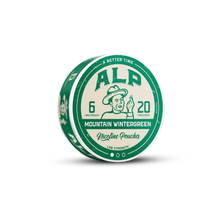
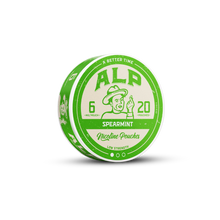
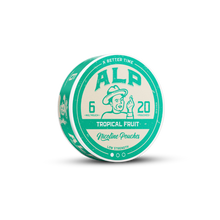
Nicotine pouches are a different case. Because they contain no tobacco, they sit outside that oral-tobacco ban and are legal to buy in the UK. From 29 October 2026 the Tobacco and Vapes Act makes it illegal to sell them to anyone under 18, so treat them as an adults-only product. That is what most people are really after when they search for snus, and it is the category ALP makes. Where to buy them is a separate question, and the high street answer is thinner than most people expect.
The legal alternative to snus in the UK
If you came here wanting the snus experience, the honest answer is that nicotine pouches are the version you can actually buy. Same placement under the lip, same discreet slow-release nicotine, no tobacco and no smoke. The trade-off people notice most is moisture: cheap pouches dry out and lose their release, which is the most common complaint you will read online. Our snus alternative guide covers the switch in full.
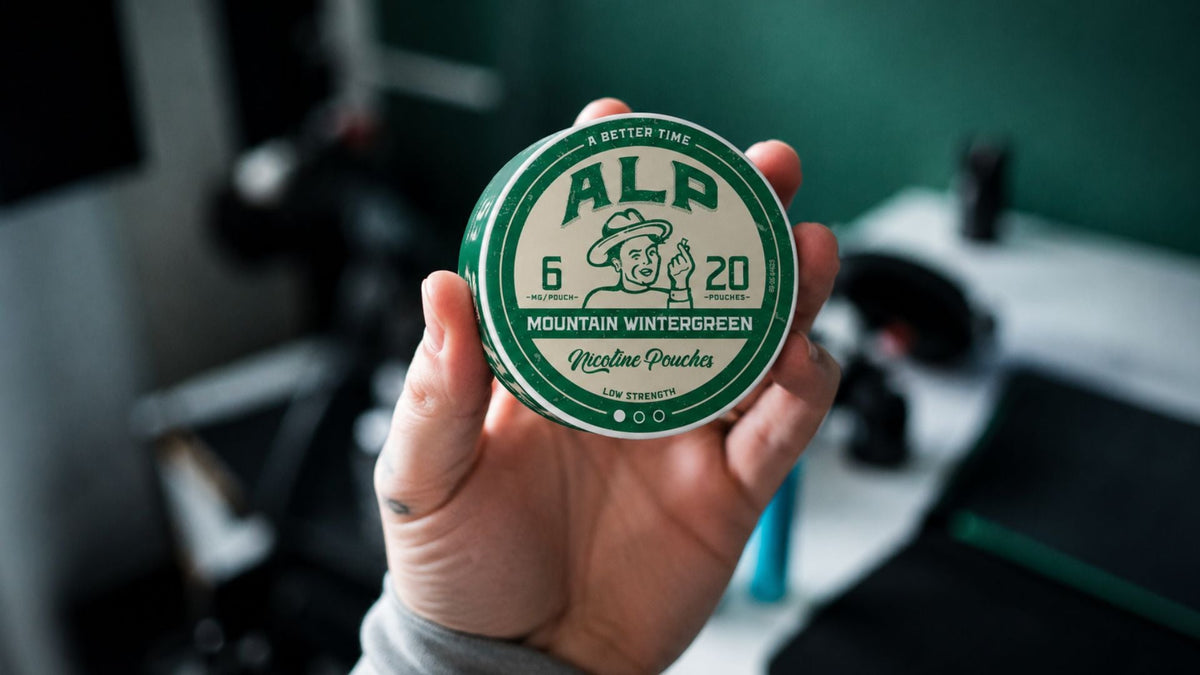
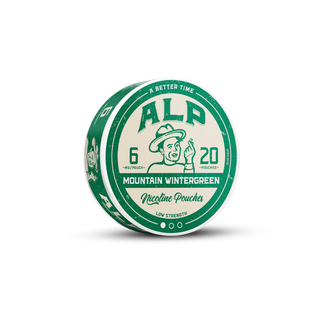
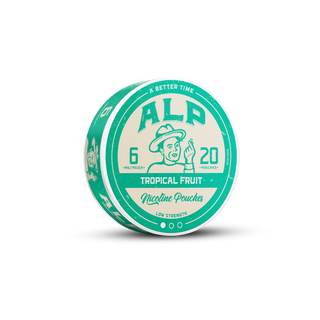
ALP pouches come in eight flavours across three strengths, 6mg, 12mg and 18mg, so there is room to step up or down depending on what you are used to. If you have never used a pouch before, 6mg is the place to start, and the nicotine pouch strength guide explains what each level actually feels like. If you want help choosing, start with our guide to the best snus in the UK, or browse the full range of ALP nicotine pouches.
Common questions about snus
What is snus made of?
Traditional snus is made from ground tobacco, water, salt and flavourings, treated by pasteurisation to create a moist powder. It comes as loose snus or in pre-portioned sachets. Nicotine pouches look the same but contain no tobacco.
Is snus the same as nicotine pouches?
No. Snus contains tobacco leaf, while nicotine pouches use a tobacco-free fibre base with added nicotine and flavour. They are used the same way, under the upper lip, but they are legally different products in the UK.
Is snus legal in the UK?
Tobacco snus has been banned from sale in the UK since 1992. Nicotine pouches, which contain no tobacco, are legal to buy, and from 29 October 2026 it is illegal to sell them to anyone under 18 under the Tobacco and Vapes Act.
What does snus feel like?
You place it under your upper lip and feel a mild tingle within a minute or two, followed by a slow, steady release of nicotine over roughly half an hour. There is no smoke and nothing visible to people around you.