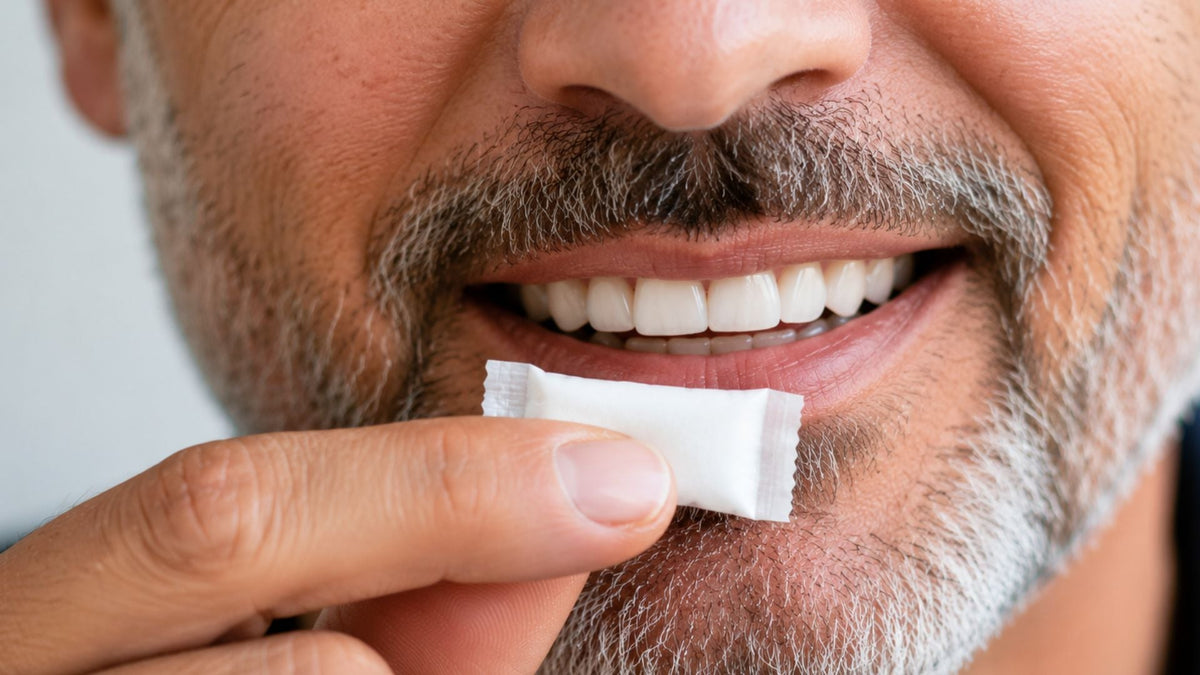





The most common side effects of snus are nausea, hiccups, a raised heart rate, irritation where the pouch sits and, over time, nicotine dependence. Most of the short-term effects come from the nicotine dose being too high or the pouch being kept in too long, and they ease as the body adjusts or the strength is lowered. The effects that matter more are the ones that build up with regular use. This page separates the two, and it separates tobacco snus from tobacco-free nicotine pouches, because the evidence is not the same for both.
What are the side effects of snus?
Snus and nicotine pouches deliver nicotine through the gum, and nicotine is what drives most of the side effects. In the short term that means the acute effects of a nicotine dose. Over the longer term it means dependence and local irritation at the site of use. A first-time user and a daily user tend to report very different problems, so it helps to look at them separately rather than as one list.
Short-term side effects of snus
The effects people notice first are usually a sign the dose is too strong for them. They include:
- Nausea or an upset stomach, especially on an empty stomach
- Dizziness or light-headedness
- Hiccups and increased saliva
- A faster heartbeat and a jittery, restless feeling
- Headache
- A burning or tingling sensation under the lip
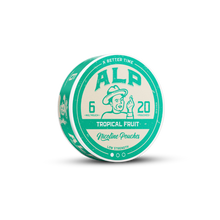
These typically pass once the pouch is removed, and they are less likely at a lower strength, with 6mg snus the lowest step in the ALP range. Starting low and keeping the first pouch in for only a few minutes is the simplest way to avoid them, as set out in our nicotine pouch strength guide.
Snus side effects on your gums and teeth
Because the pouch sits in one spot, the gum and inner lip take the local effect. Users report gum irritation, soreness or small white patches where the pouch rests, and gum recession can develop at the site with long-term use. For tobacco snus specifically, Cancer Research UK notes that smokeless tobacco held in the mouth carries recognised risks. Moving the pouch to different spots rather than always the same one, and keeping up normal dental care, are the practical steps users take, though neither removes the underlying exposure.
Long-term side effects of snus
The main long-term effect is nicotine dependence. Nicotine is addictive regardless of how it is delivered, and regular use leads to cravings and withdrawal when you stop, including irritability, poor concentration and disturbed sleep. Nicotine also raises heart rate and blood pressure, which is why ASH and public-health bodies treat these as adult products rather than harmless ones. The GOV.UK oral-health toolkit sets out the wider evidence on tobacco and oral health.
Do nicotine pouches have the same side effects as snus?
They share the nicotine-related effects, because both deliver nicotine: the nausea, raised heart rate, dependence and local irritation all apply. Where they differ is tobacco. Tobacco snus carries the risks associated with oral tobacco, while tobacco-free pouches remove the tobacco leaf. That does not make pouches safe, and the long-term evidence on pouches is still limited because they are newer. It is a mistake to read across every finding from decades of snus research and assume it applies unchanged to pouches, and equally a mistake to assume tobacco-free means risk-free.
| Side effect | Tobacco snus | Nicotine pouches |
|---|---|---|
| Nicotine effects (nausea, raised heart rate) | Yes | Yes |
| Dependence and withdrawal | Yes | Yes |
| Gum irritation where it sits | Yes | Yes |
| Risks specific to oral tobacco | Yes | No |
| Long-term evidence base | Established | Still limited |
When to stop and seek advice: remove the pouch and speak to a pharmacist or GP if you have chest pain, a persistently racing heart, a mouth sore or white patch that does not heal within a couple of weeks, or symptoms that worry you. If a child or pet swallows a pouch, contact NHS 111 or a vet straight away, because the nicotine in a single pouch is enough to make them unwell.
For how the nicotine actually acts once the pouch is in, see what does snus do, and for the overall risk picture see is snus bad for you. ALP makes tobacco-free pouches for adults who already use nicotine: browse the ALP nicotine pouches range, or read our nicotine pouches review for a closer look at the individual flavours.
This product contains nicotine which is a highly addictive substance.
Last reviewed: 23 July 2026.
Common questions about snus side effects
What are the side effects of snus?
Common short-term side effects are nausea, dizziness, hiccups, a faster heartbeat, headache and irritation under the lip, usually when the strength is too high. The main long-term effect is nicotine dependence, along with gum irritation where the pouch sits.
What does snus do to your gums?
Because the pouch stays in one spot, the gum and inner lip can become irritated or sore, and long-term use is linked to gum recession at the site. Moving the pouch around and keeping up dental care helps, but it does not remove the underlying exposure.
Can snus make you feel sick?
Yes. Nausea and dizziness are common, especially for first-time users, on an empty stomach, or when the strength is too high or the pouch is kept in too long. Removing the pouch and using a lower strength usually settles it.
Do nicotine pouches have the same side effects as snus?
They share the nicotine-related effects such as nausea, raised heart rate and dependence, because both deliver nicotine. Pouches contain no tobacco, but that does not make them safe, and their long-term evidence is still limited because they are newer.