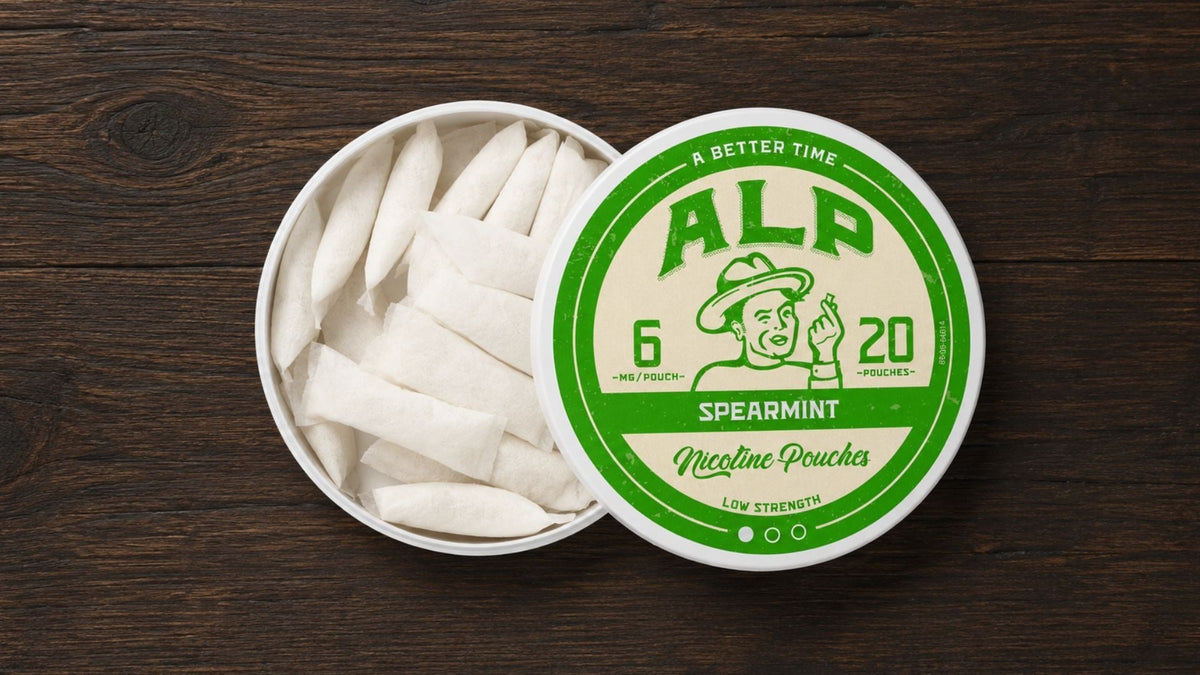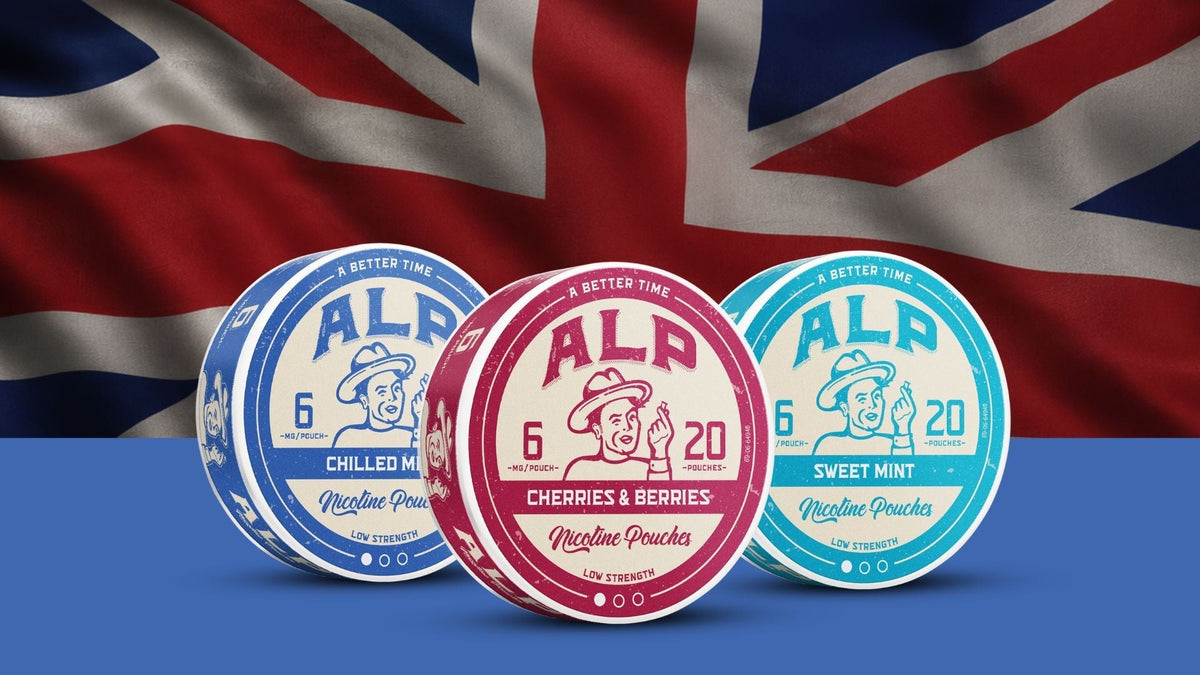

Yes, snus carries health risks. It is not a safe product, and no honest account would call it one. The more useful question is how big those risks are, how they compare with smoking, and whether tobacco-free pouches change the picture. The short answer: snus and nicotine pouches are widely considered less harmful than smoking, but less harmful is a long way from harmless, and nicotine dependence is a real cost either way.
Since tobacco snus cannot be sold in the UK, most British users are weighing up tobacco-free pouches as a snus alternative. The evidence differs between the two, so this page keeps them separate rather than lumping them together.
What the research says about snus
Most of the long-term evidence concerns Swedish tobacco snus, which has been studied for decades. That research points to real risks. Held against the gum, oral tobacco is linked to gum damage and recession, and Cancer Research UK lists smokeless tobacco among products that carry a cancer risk. A recent systematic review of oral-health implications reflects continuing scientific attention to these effects. Alongside the tobacco-specific risks sits nicotine itself, which raises heart rate and blood pressure and is addictive regardless of how it is taken.
Two honest caveats belong here. First, the tobacco-snus evidence should not be read across wholesale to tobacco-free pouches, which are newer and less studied. Second, the absence of long-term pouch data is not the same as a clean bill of health. It means the long-term picture is genuinely uncertain, which is a reason for caution rather than reassurance.
Snus vs smoking
This is where a lot of the confusion comes from. Smoking is one of the most harmful things a person can do to their health, because burning tobacco produces tar and thousands of toxic combustion products that damage the lungs, heart and blood vessels. Snus involves no combustion, so it avoids that specific and very large category of harm. That is why Sweden, where snus is common, is often cited for its low smoking-related disease rates.
But framing snus as the healthy option gets it wrong. For someone who already smokes and switches completely, the reduction in combustion harm is meaningful. For someone who does not use nicotine at all, taking up snus adds risk that was not there before, including dependence. Comparative risk only makes sense relative to smoking. It is not an argument that snus is good for you.
Snus vs nicotine pouches
Tobacco-free pouches remove the tobacco leaf, and with it the risks tied specifically to oral tobacco, such as the cancer risk associated with smokeless tobacco. That is a genuine difference and the main reason the category exists. What pouches keep is the nicotine, and with it the effects on heart rate and blood pressure and the pull of dependence. So a pouch is best understood as lower-risk than tobacco snus on the tobacco-specific measures, while still being an addictive nicotine product that is not risk-free. ASH treats them as adult products for exactly this reason. The detailed symptom list is in snus side effects.
Here is how the three products line up on the measures that matter most:
| Cigarettes | Tobacco snus | Nicotine pouches | |
|---|---|---|---|
| Smoke and combustion | Yes | No | No |
| Tobacco leaf | Yes | Yes | No |
| Addictive nicotine | Yes | Yes | Yes |
| Long-term evidence | Extensive | Decades of data | Limited, newer |
The bottom line: is snus bad for you?
Is snus bad for you? It is not safe, and it carries risks that rise with how much and how long you use it. The clearest cost for most users is nicotine dependence, which is easy to start and hard to stop. Tobacco snus adds the risks of oral tobacco on top. Tobacco-free pouches remove those particular risks but keep the nicotine, and their long-term effects are still being studied. If you already smoke, a full switch to a smoke-free product is generally considered less harmful. If you do not use nicotine, the honest advice is not to start. Anyone with a heart condition, or who is pregnant, should avoid nicotine and speak to a healthcare professional.
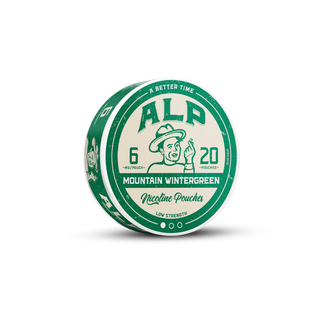
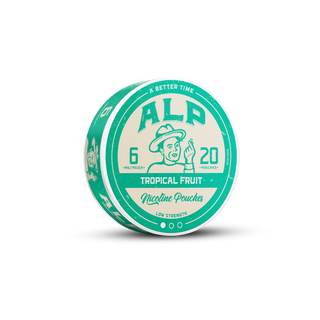
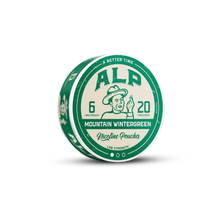
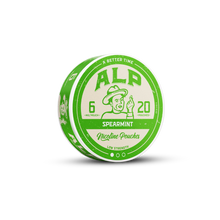
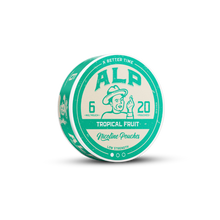
If you are weighing the trade-offs, our companion pieces on what snus does to your body and snus side effects set out what to expect, and our nicotine pouches review looks at how the format holds up in everyday use. ALP makes tobacco-free pouches for adults who already use nicotine, in the ALP nicotine pouches range.
This product contains nicotine which is a highly addictive substance.
Last reviewed: 23 July 2026.
Common questions about whether snus is bad for you
Is snus bad for you?
Yes, it carries risks and is not safe. The clearest cost is nicotine dependence, along with raised heart rate and blood pressure. Tobacco snus adds the risks of oral tobacco. Tobacco-free pouches remove those particular risks but still contain addictive nicotine.
Is snus safer than smoking?
Snus involves no combustion, so it avoids the tar and toxic products that make smoking so harmful, and it is generally considered less harmful than cigarettes. Less harmful is not the same as safe, and for a non-smoker it adds risk rather than removing it.
Is snus bad for your gums and teeth?
The gum where a pouch sits can become irritated and recede with long-term use. For tobacco snus specifically, health bodies also link smokeless tobacco to a cancer risk. Moving the pouch around and keeping up dental care helps but does not remove the exposure.
Are nicotine pouches bad for your heart?
Nicotine raises heart rate and blood pressure each time it is used, which is a consideration for anyone with a heart condition. Pouches are generally seen as lower-risk than smoking, but they are not risk-free and their long-term effects are still being studied.