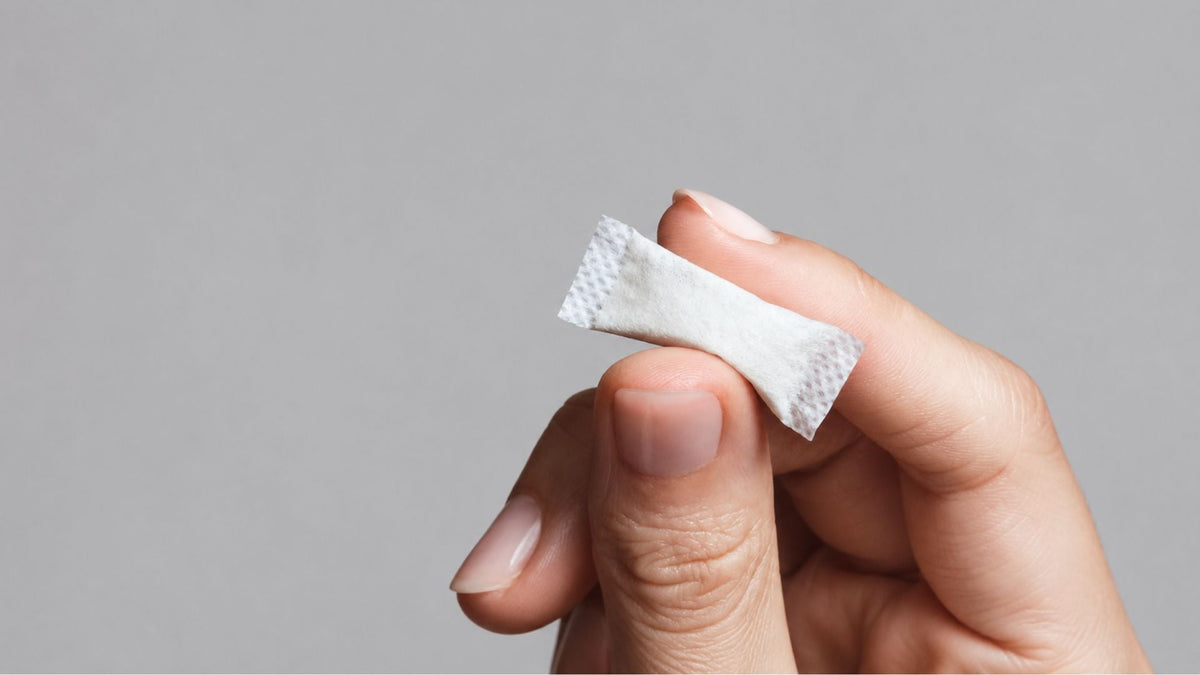

Snus delivers nicotine through the lining of your mouth. You place a pouch under your upper lip, the nicotine passes through the gum into your bloodstream, and within a few minutes you feel its effects: a mild lift, a steadier focus for some, a calmer feeling for others. There is no smoke and nothing to inhale. What follows is the detail, from how it works to what happens in your body over time, and where tobacco-free pouches fit in.
One clarification before we start. Tobacco snus cannot be sold in the UK, so what British users actually have is a tobacco-free nicotine pouch, the legal snus alternative sold here. It works through the same mechanism, which is why the two are treated together here. The background is in what is snus.
How snus works
The active ingredient is nicotine. When a pouch sits against the gum, saliva slowly releases the nicotine, which is absorbed through the thin, blood-rich lining of the mouth. This route is called buccal absorption, and it matters because it skips the lungs entirely. A cigarette sends nicotine to the brain in seconds through the lungs. A pouch works more gradually, because absorption through the gum is slower and steadier than inhalation.
Once in the bloodstream, nicotine reaches the brain and triggers the release of chemical messengers, including dopamine and adrenaline. That combination is what produces the familiar mix of alertness and relaxation that users describe. The same adrenaline response also nudges up heart rate and blood pressure, which is the part that is easy to overlook.
What you feel and when
The experience follows a fairly predictable curve. In the first minute or two you notice a tingle or slight burn under the lip as the pouch settles and the nicotine starts to release. Over the next ten to twenty minutes the effect builds to its strongest, then tails off gradually. Most people describe feeling more alert and, at the same time, a little calmer, along with a reduction in nicotine cravings if they already use it.
| Time after placing the pouch | What tends to happen |
|---|---|
| 1 to 2 minutes | A tingle or mild burn under the lip as nicotine starts to release |
| 5 to 20 minutes | The effect builds to its strongest: more alert, often a little calmer |
| 20 to 30 minutes | Release tails off as most of the nicotine has been absorbed |
| After removal | Blood nicotine falls over the next few hours and cravings can return |
Not every sensation is pleasant. For someone new to nicotine, or using too high a strength, the same dose that gives a regular user a mild lift can cause nausea, dizziness, hiccups or a racing heart. Those are signs the dose is too strong, not a target to push through. Starting low is the sensible approach, which we cover in how to use snus and in our nicotine pouch strength guide, which explains what each mg level means in practice. If you have a new can and are not sure where to begin, see how to open snus first.
How long the effects of snus last
The noticeable effects usually last around thirty minutes to an hour, which lines up with how long people tend to keep a pouch in. The nicotine itself clears from the body over a longer period, with blood levels falling over a few hours after the pouch is removed. This is why regular users reach for another pouch through the day: as levels drop, cravings return.
That pattern is also how tolerance and dependence build. Use nicotine regularly and the body adapts, so the same amount does less, and stopping brings withdrawal feelings such as irritability and poor concentration. It is the ordinary mechanism of nicotine dependence rather than anything unique to the pouch format.
What does snus do to your body over time?
Beyond the immediate lift, regular use has effects worth knowing. Nicotine raises heart rate and blood pressure each time, which is a consideration for anyone with a heart condition. Locally, the gum where the pouch sits can become irritated or recede over time, an effect the GOV.UK oral-health toolkit discusses for oral products in general. And because nicotine is addictive, the clearest long-term effect for most users is dependence itself. ASH treats pouches as adult products for this reason. For the full symptom list see snus side effects, and for the honest risk picture see is snus bad for you.
Snus vs pouches: same mechanism, no tobacco
Tobacco snus and tobacco-free pouches do the same job through the same route: nicotine absorbed through the gum, felt within minutes, fading over the hour. The single difference is the base. Snus uses real tobacco leaf; a pouch uses a plant-fibre base with nicotine and flavour and no tobacco. Removing the tobacco removes the risks tied specifically to oral tobacco, but it does not remove the nicotine or its effects, and it does not make a pouch safe. That distinction runs through the whole category and is worth keeping in mind whenever you read that something is tobacco-free.
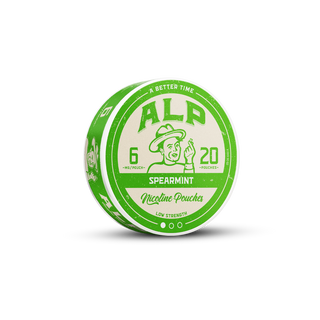
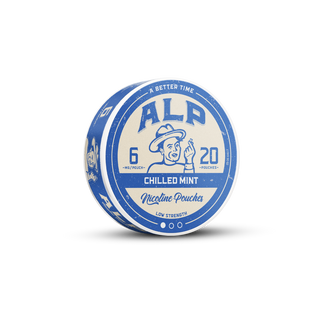
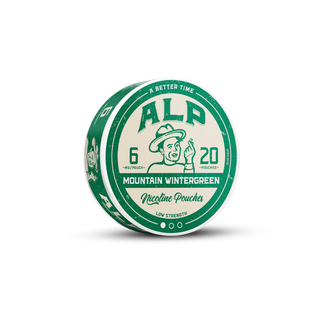
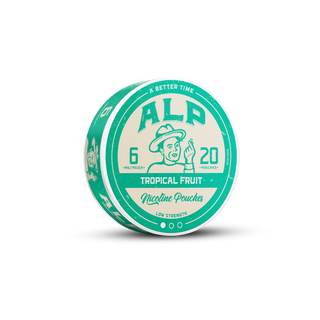
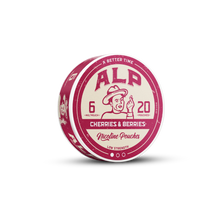
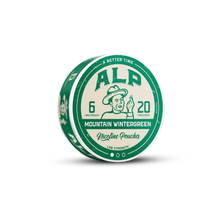
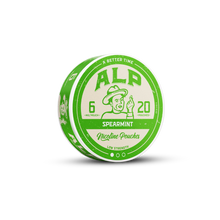
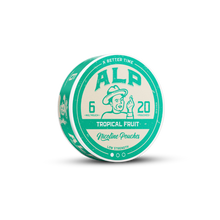
ALP makes tobacco-free pouches in eight flavours across three strengths, 6mg, 12mg and 18mg, so you can match the strength to what you are used to, starting with the 6mg snus pouches at the lower end. Browse the ALP nicotine pouches range.
This product contains nicotine which is a highly addictive substance.
Last reviewed: 23 July 2026.
Common questions about what snus does
What does snus do to your body?
It delivers nicotine through the gum into the bloodstream, which reaches the brain and releases messengers like dopamine and adrenaline. That produces a short lift and a calmer feeling, while also raising heart rate and blood pressure. Regular use leads to dependence.
How long does it take for snus to work?
You feel a tingle within a minute or two, and the effect builds over the next ten to twenty minutes before tailing off. The noticeable effects usually last around thirty minutes to an hour, which is why people keep a pouch in for roughly that long.
What does snus do to your gums?
Because the pouch sits in one place, the gum there can become irritated or sore, and long-term use is linked to gum recession at the site. Moving the pouch around and keeping up dental care helps, but it does not remove the underlying exposure.
Does snus affect your brain?
Yes. Nicotine acts on the brain, releasing dopamine, which is what makes it rewarding and, with repeated use, addictive. The short-term feeling of focus or calm comes from this, and so does the dependence that develops over time.